Description
8 Ball of Cocaine | Buy 8 Ball of Cocaine Canada
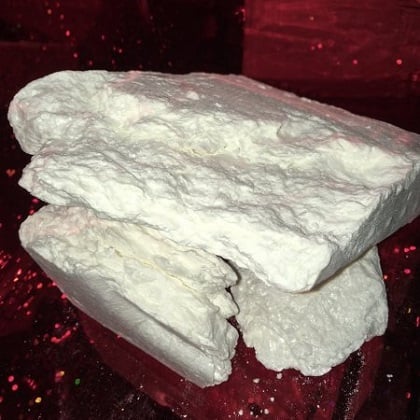
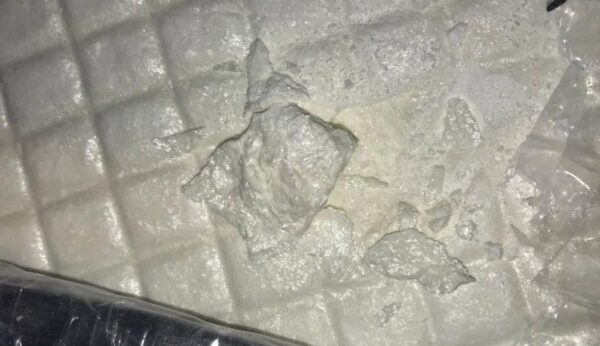
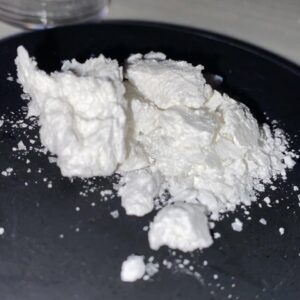
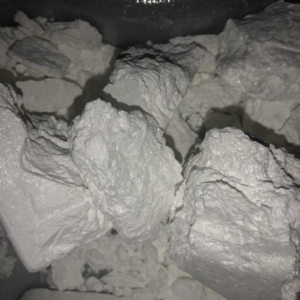
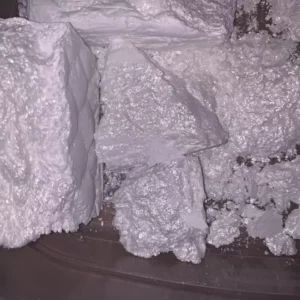
8 Ball Of Cocaine. Cocaine (coke) is a drug that stimulates the central nervous system – your brain. It is made from the leaves of the coca plant and comes in two forms. As a powder, it is snorted or may be dissolved in water and injected, although this is dangerous and not common practice. In a crystal or ‘rock’ form, it is known as freebase or 8 Ball of Cocaine and is smoked. 8 Ball of Cocaine is an addictive stimulant drug made from the leaves of the coca plant (Erythroxylon coca), which is native to South America. Cocaine can be snorted through the nose, rubbed into the gums, injected into the bloodstream, or smoked. White, crystalline powder derived from coca leaves. Cocaine base (crack) looks like small, irregularly shaped white rocks. Cocaine is an intense, euphoria-producing stimulant drug with strong addictive potential.
What is an 8-Ball of Cocaine?
8-ball cocaine refers to a specific quantity of the drug, one-eighth of an ounce, or approximately 3.5 grams. This term is commonly used in the context of 8 Ball of Cocaine, but can also apply to other substances, such as methamphetamine or even malt liquor, depending on the context. 8 Ball of Cocaine itself is a powerful stimulant derived from the leaves of the coca plant, native to South America. Historically, indigenous people in the region have used the plant for medicinal and recreational purposes for centuries. Over time, cocaine has gained a prominent and troubling role in modern society, with a range of street names and varying methods of use.
Understanding terms like 8-ball cocaine is essential for recognizing the language and quantities associated with drug culture, as well as the risks involved in using substances like cocaine. While the term may refer to a specific amount, it is essential to remember that cocaine use can be dangerous and illegal, carrying significant health and legal consequences.
8 Ball of Cocaine | Buy 8 Ball of Cocaine Canada
What is Cocaine Used For?
Historically, cocaine was used for medicinal purposes, such as a local anesthetic in surgeries and to treat certain medical conditions. Today, it is primarily an illicit recreational drug. Medically, synthetic derivatives of cocaine are still used in limited applications, such as in some nasal or eye surgeries.
What is Cocaine Classified As?
Cocaine is classified as a Schedule II drug under the Controlled Substances Act in the United States. This means it has a high potential for abuse and addiction, but may have limited medical uses under strict regulation.
What Plant is Cocaine Made From?
Cocaine is derived from the coca plant (Erythroxylon coca), a shrub native to South America. The leaves of the coca plant contain alkaloids that are extracted and processed to create cocaine.
What is the Difference Between 8 Ball of Cocaine and Cocaine?
The primary difference lies in their form and method of use. Cocaine hydrochloride is a powdered form typically snorted or injected, while crack cocaine is a solid “rock” form that is smoked. Crack produces a faster and more intense high but is associated with a higher potential for addiction.
Best Place To Buy 8 Ball of Cocaine Online In Canada
There are two chemical forms of cocaine: the water-soluble hydrochloride salt and the water-insoluble cocaine base (or freebase). Hydrochloride salt is a powder that is injected or snorted. The base form of cocaine is created by processing the drug with ammonia or sodium bicarbonate (baking soda) and water, then heating it to remove the hydrochloride to produce a smokable substance. This form of 8 Ball of Cocaine is sometimes called crack, which refers to the crackling sound of the rock as it’s heated. 8 Ball of Cocaine can also be used by sprinkling it on marijuana or tobacco and smoking it.
8 Ball of Cocaine is typically used orally, intranasally, intravenously, or by inhalation. When snorted (intranasal use), 8 Ball of Cocaine is inhaled through the nostrils, where it is absorbed into the bloodstream through the nasal tissues. People may also rub the drug onto their gums (oral use). Dissolving cocaine in water and injecting it (intravenous use) releases the drug directly into the bloodstream and heightens the intensity of its effects. When people smoke cocaine (inhalation), they inhale its vapor or smoke it into the lungs, where absorption into the bloodstream is almost as rapid as by injection.
Is it Dangerous to Take an 8-Ball of Cocaine?
Yes, using an 8-ball of cocaine is extremely dangerous. An 8 Ball of Cocaine refers to approximately 3.5 grams of cocaine, which is a large quantity to consume in a single sitting. While individuals who are dependent on or addicted to cocaine may use this amount regularly, it poses serious risks, especially for those who are not accustomed to using the drug. Cocaine is a powerful stimulant that affects the central nervous system (CNS), leading to an intense surge of euphoria, energy, and alertness. The effects of 8 Ball of Cocaine can be felt almost immediately when snorted, injected, or smoked. Smoking crack cocaine, a freebase form of the drug, leads to an even quicker onset of effects, often within seconds.
However, these immediate effects come with a range of short- and long-term risks. The physical and mental effects of using 8 Ball of Cocaine can include:
- Elevated Heart Rate and Blood Pressure: 8 Ball of Cocaine causes the heart to beat faster and the blood vessels to constrict, increasing the risk of heart attack or stroke.
- Increased Body Temperature: Cocaine use can cause hyperthermia or dangerously high body temperature.
- Irregular Heart Rhythm: Abnormal heart rhythms can occur, which may lead to cardiovascular complications.
- Loss of Appetite: Cocaine suppresses appetite, which can lead to malnutrition and unhealthy weight loss over time.
- Impaired Judgment: Cocaine can make users feel invincible or overly confident, leading to risky behaviors and poor decision-making.
- Paranoia and Irritability: Cocaine use can cause heightened anxiety, paranoia, and mood swings.
- Tremors or Muscle Twitches: Physical symptoms such as tremors or muscle spasms are common.
- Hallucinations: Higher doses of cocaine can lead to visual or auditory hallucinations.
Taking a large amount of cocaine, such as an 8-ball, significantly increases the likelihood of severe side effects and overdose. First-time users or those with little tolerance may be at exceptionally high risk for overdose, even with smaller amounts.
The dangers of using an 8-ball of cocaine in one sitting or over a day include:
- Overdose: An 8 Ball of Cocaine overdose can result in life-threatening consequences such as seizures, chest pain, difficulty breathing, heart attack, stroke, or sudden death.
- Toxic Effects: The drug places immense strain on the cardiovascular system, increasing the risk of long-term damage to the heart, lungs, and brain.
- Addiction: Repeated use of large amounts, like an 8 Ball of cocaine, can quickly lead to addiction, making it difficult for users to stop without professional help.
Due to these serious risks, using an 8-ball of cocaine, especially in one sitting, is incredibly dangerous and can have fatal consequences. If you or someone you know is struggling with cocaine use or addiction, seeking medical help and support is crucial for safety and recovery.
What is the History of Cocaine?
Cocaine has a long and complex history, deeply rooted in the cultures of South America. Derived from the leaves of the coca plant (Erythroxylum coca), cocaine has been used for centuries, initially for medicinal, ritualistic, and cultural purposes.
Early Use in South America
The indigenous people of the Andes Mountains, particularly in Peru, Bolivia, and Colombia, have used coca leaves for thousands of years. The leaves were chewed for their stimulating effects, which helped people cope with the harsh mountain environments, alleviating fatigue, hunger, and altitude sickness. This practice was an integral part of their culture and daily life.
Introduction to Western Medicine
In the mid-19th century, European scientists began to isolate the active ingredient in coca leaves, cocaine. In 1859, the German chemist Albert Niemann first isolated the compound from coca leaves, leading to its recognition as a potent stimulant.
By the late 1800s, cocaine was incorporated into Western medicine. It was initially praised for its ability to relieve pain and treat a variety of conditions, including fatigue and depression, and even as an anesthetic in surgical procedures. Sigmund Freud, the famous neurologist, was an early proponent of cocaine, using it as a treatment for depression and advocating its medical use.
Cocaine was also famously used in early versions of Coca-Cola, the popular soft drink, which contained small amounts of the drug from its inception in the 1880s until it was removed in the early 20th century.
The Rise of Cocaine as a Street Drug
Although cocaine initially had medical applications, it also came to be recognized for its potential for abuse. By the early 20th century, legal restrictions on the drug were increasing due to growing concerns over its addictive properties.
However, it wasn’t until the 1970s and 1980s that cocaine became widespread as a street drug, particularly in the form of powdered cocaine and later crack cocaine. In the 1980s, cocaine use exploded in the United States, fueled by the drug’s association with luxury and high society. Celebrities and wealthy individuals were often seen using the drug, and its glamorization in pop culture contributed to its rise in popularity.
The Crack Epidemic
In the mid-1980s, a more potent form of cocaine, known as crack cocaine, emerged. Crack is produced by processing powdered cocaine with baking soda, creating small, crystallized chunks that can be smoked for an even faster and more intense high. Crack cocaine became especially popular in urban areas, leading to widespread addiction and a public health crisis. The crack epidemic disproportionately affected low-income communities and communities of color, contributing to a surge in drug-related arrests and incarceration.
Modern-Day Use and Legal Status
Today, cocaine remains a controlled substance in most parts of the world. While its use for medicinal purposes has largely been phased out, it continues to be abused as a recreational drug. Both powdered cocaine and crack cocaine are illegal in most countries, with harsh penalties for possession, distribution, and trafficking.
The history of cocaine reflects its complex and often troubling role in society, from its ancient medicinal uses to its modern-day status as a dangerous illicit drug. Its addictive properties and the social and health consequences of its abuse continue to make cocaine a significant public health issue worldwide.
Conclusion
Cocaine’s journey from ancient South American rituals to a modern-day street drug highlights the shifting cultural, medical, and social perceptions of the substance. While its early uses were largely medicinal, the global cocaine epidemic of the late 20th century and its lasting effects continue to shape discussions around drug policy, public health, and addiction today.
Reviews
There are no reviews yet.